Professional HVAC Contractor Services: Keeping Your Home Comfortable Year-Round
A trustworthy HVAC contractor provides vital support in maintaining a comfortable home throughout the year. These trained experts guarantee that heating, ventilation, and air conditioning systems perform effectively and proficiently. Homeowners frequently miss the importance of these services until troubles surface. Spotting the red flags that indicate a need for skilled support can create a significant difference. What elements should homeowners assess when determining the most suitable contractor for their particular needs?
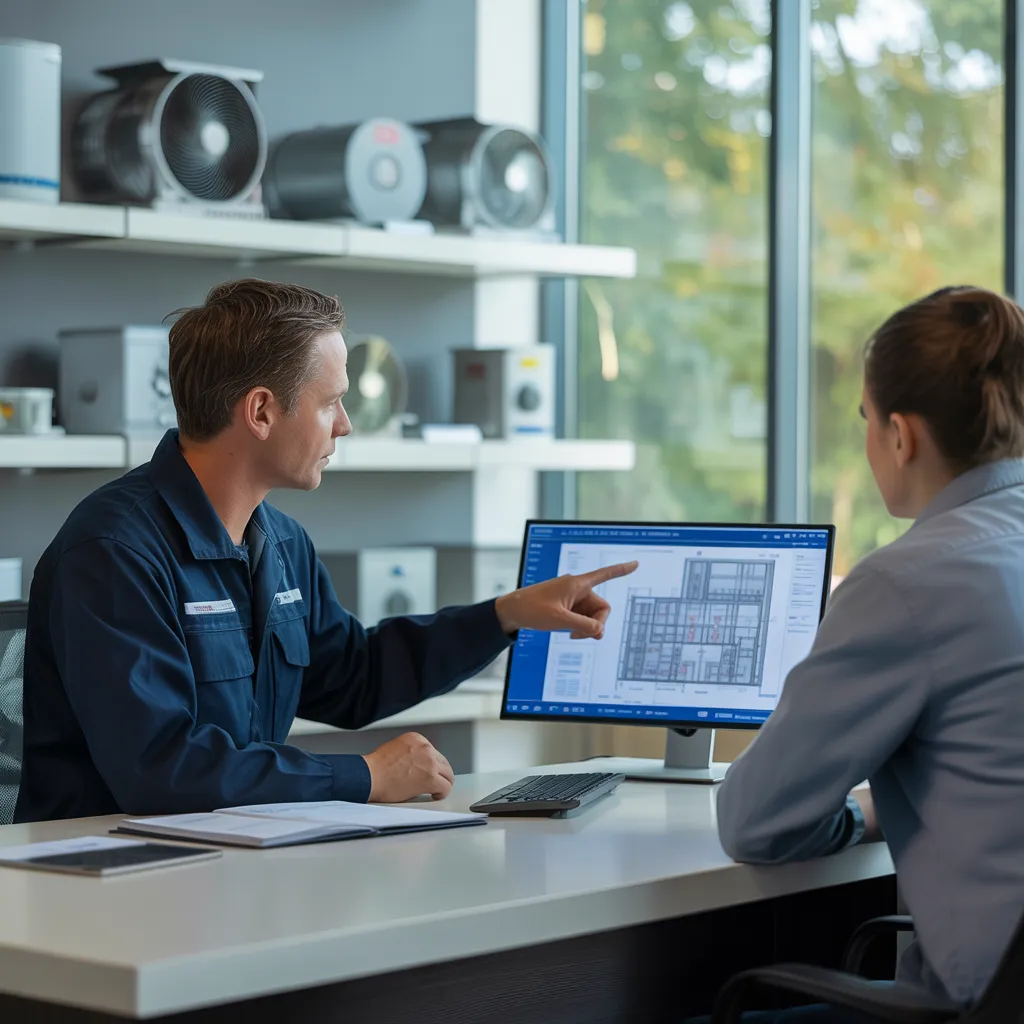
The Necessity of a Dependable HVAC Contractor
How vital is it to have a dependable HVAC contractor? The importance of a qualified professional in heating, ventilation, and air conditioning cannot be overstated. A reliable contractor ensures that systems are positioned correctly, maintained efficiently, and fixed promptly. This reliability directly impacts the comfort and safety of a home. With fluctuating temperatures, a well-operating HVAC system is critical for indoor air quality and energy efficiency.
Picking the right contractor minimizes the chance of sudden malfunctions and expensive maintenance. A reliable HVAC contractor will also offer expert guidance on review article equipment choice and efficiency improvements, assisting homeowners choose wisely. Regular maintenance from a dependable expert prolongs the lifespan of the equipment and improves performance. Consequently, investing time in locating a well-regarded HVAC contractor is vital for sustaining a comfortable living environment year-round, eventually contributing to the health and satisfaction of the household.
Warnings You Need to Get in Touch with an HVAC Professional?
Property owners may notice indicators showing the need for expert heating and cooling support. Strange sounds from the system and inconsistent heating and cooling are typically obvious signs of underlying issues. Recognizing these warning signs early can avoid further complications and costly repairs.
Strange Sounds Coming From Equipment
Unusual sounds emanating from an HVAC system can signal underlying issues requiring timely attention. Frequent noises such as rattling, grinding, or hissing can suggest loose components, mechanical wear, or refrigerant leaks. A persistent clanking noise could point to a malfunctioning fan or motor, while squealing might suggest belt problems. Ignoring these sounds can cause more significant damage and expensive repairs. Homeowners should refrain from diagnosing or repairing these issues themselves, as doing so can exacerbate the problem. Instead, contacting a qualified HVAC professional is vital for a thorough inspection and appropriate resolution. Timely intervention can restore system efficiency and maintain a comfortable indoor environment.
Unstable Temperature Regulation
What could be more annoying than an HVAC system that cannot sustain a consistent temperature? Homeowners often encounter fluctuating warmth or chill, leading to discomfort and higher energy costs. This irregularity can originate from various issues, such as a malfunctioning thermostat, inadequate insulation, or blocked ducts. If certain rooms feel considerably different from others, it may suggest underlying problems requiring professional assessment. Increasing energy bills may also point to inefficiencies within the system, encouraging a more thorough look. Ignoring these signs can cause further complications and costly repairs. Consequently, when faced with inconsistent temperature control, it is wise to contact an HVAC specialist to improve comfort and efficiency in the home.
Essential heating and cooling Services for property owners
Homeowners need to consider essential HVAC services to assure the effectiveness and extended life of their systems. Preventive maintenance plans, efficient system installations, and timely emergency repairs are critical components that contribute to peak performance. Understanding these services can help homeowners make informed decisions about their HVAC needs.
Preventive Maintenance Plans
Implementing scheduled maintenance plans is important for maintaining ideal performance and extending the lifespan of HVAC systems. These plans usually involve regular inspections, cleaning, and adjustments that help catch potential problems before they turn into expensive repairs. By setting up regular check-ups, homeowners can increase energy efficiency, lowering utility bills while enhancing indoor air quality. Technicians typically check refrigerant levels, inspect ductwork, and clean filters to keep systems running at their best. Furthermore, preventive maintenance can extend the life of HVAC equipment, offering peace of mind and reducing the chances of unexpected failures. Homeowners who commit to these plans not only enjoy greater comfort but also protect their investment in the system, ensuring dependable operation all year long.
Streamlined System Installations
Efficient installation setups serve an essential role in maximizing HVAC performance and energy efficiency. Properly installed heating, ventilation, and air conditioning units ensure ideal airflow, lowering energy consumption and cutting utility bills. Professionals assess the unique requirements of each home, choosing equipment that matches size specifications and local climate conditions. They also ensure that ductwork is sealed and insulated, avoiding energy loss. Advanced technologies, such as smart thermostats, can be integrated during installation for enhanced control and efficiency. Furthermore, following manufacturer guidelines and local building codes during installation ensures reliable operation and longevity of the system. Ultimately, homeowners benefit from improved comfort levels and a reduced environmental footprint when investing in efficient HVAC installations.
Timely Emergency Repairs
Struggling with an abrupt HVAC failure can be challenging, notably during intense weather conditions. Homeowners depend heavily on their heating and cooling systems for well-being, making quick urgent repairs crucial. Swift response times from HVAC service providers can prevent subsequent destruction and reinstate effectiveness, diminishing unease.
These professionals are trained to diagnose problems efficiently, whether it's a broken heating system in winter or a damaged cooling unit in summer. Their expertise ensures that repairs are done properly the first time, minimizing downtime. Furthermore, many contractors offer 24/7 services, giving reassurance for homeowners. By prioritizing timely emergency repairs, homeowners can maintain a stable indoor environment and protect their investment in HVAC systems.
Choosing the Right HVAC Contractor: Key Recommendations
How can homeowners guarantee they select the finest HVAC contractor for their needs? First, examining qualifications is necessary. Homeowners should authenticate licenses, protection, and certifications to establish the contractor complies with industry guidelines. Perusing online reviews and seeking referrals from acquaintances or family can provide insights into a contractor's name.
Next, getting multiple quotes enables homeowners to compare pricing and services. It is vital to inquire about warranties and guarantees, as quality control can reflect the contractor's confidence in their work. Additionally, evaluating the contractor's experience with specific HVAC systems can be helpful for specialized needs.
Effective communication matters; a reliable contractor will spend time to explain options and address concerns plainly. Finally, opting for a contractor with transparent pricing and no surprise fees can help avoid unexpected costs. By following these tips, homeowners can make informed decisions and confirm their HVAC systems are in experienced hands.
Why Regular HVAC Service Is Important
Routine HVAC servicing serves as a vital component in maintaining system efficiency and longevity. By planning regular inspections, homeowners can identify and fix likely complications before they turn into costly restoration. This preventive approach enhances system performance while also optimizes power consumption, resulting in diminished utility expenses.
Additionally, ongoing care improves the quality of air indoors by maintaining clean filters and ensuring components function properly. A well-serviced system runs more silently and minimizes the chance of sudden breakdowns during severe weather.
Additionally, numerous producers demand documentation of consistent upkeep to maintain warranty coverage, safeguarding the homeowner's financial stake. By prioritizing HVAC maintenance, people can enjoy a pleasant home atmosphere year-round while extending the lifespan of their heating and cooling systems. Ultimately, this diligence contributes to both comfort and cost savings in the long run.
Important Facts About HVAC Systems You Should Be Aware Of
Understanding HVAC systems is vital for property owners seeking effective climate control and comfort in their homes. HVAC, which stands for heating, ventilation, and air conditioning, encompasses various parts that function jointly to control indoor temperatures and air quality. Key features comprise the furnace, air conditioner, ductwork, and thermostats, each playing an important role in maintaining a comfortable setting.
Property owners should evaluate the scale and output of their HVAC system to assure peak performance; an oversized or undersized unit can cause inefficiencies. Regularly replacing filters and booking professional inspections can prevent breakdowns and extend the equipment's durability.
Additionally, learning energy efficiency ratings, such as SEER for air conditioners and AFUE for furnaces, can equip homeowners to make informed decisions when buying or enhancing systems. Knowledge into these factors supports a more comfortable, energy-efficient home environment.
Why Quality HVAC Maintenance Reduce Your Financial Burden
Committing to reliable HVAC services can substantially reduce extended fees for homeowners. Regular servicing and swift repairs promise that HVAC units function efficiently, which can markedly minimize energy payments. When units are adequately maintained, they operate at peak levels, minimizing energy inefficiency and extending the lifespan of the equipment.
Moreover, trustworthy contractors often offer protection plans and assurances on their services, ensuring confidence and monetary safeguards against upcoming problems. By tackling minor problems before they escalate, homeowners can prevent expensive urgent fixes that typically result from neglect.
Moreover, power-saving improvements recommended by reputable HVAC professionals can lead to significant cost reductions over time. These improvements not only improve comfort but also support a reduced carbon footprint. In sum, retaining reliable HVAC services is a proactive approach that ultimately yields financial benefits while guaranteeing a comfortable living environment year-round.
Frequently Asked Questions
What Steps Should I Take to Optimize My HVAC System's Power Consumption?
Improving heating and cooling system energy efficiency involves regular maintenance, duct sealing, installing a programmable thermostat, using energy-efficient filters, and maintaining adequate insulation. These steps collectively enhance performance, reduce energy consumption, and lower utility costs.
What Are Popular HVAC System Misconceptions to Avoid?
Common HVAC misconceptions to avoid include thinking that larger systems are always better, that regular maintenance isn't necessary, and that shutting vents enhances performance. Grasping these false beliefs can result in improved operation and energy savings.
How Regular Should I Replace My HVAC Filters?
HVAC filters should typically be swapped out every one to three months, depending on usage and filter type. Regular upkeep guarantees optimal system performance, improves air quality, and extends the lifespan of the HVAC unit.
What Is the Life expectancy of an HVAC System?
An HVAC system generally endures between 15 to 25 years, contingent upon factors like use, maintenance, and quality of installation. Regular upkeep can prolong its lifespan, while lack of care may cause premature failure.
Is it feasible to put in an HVAC unit by myself?
Conducting an HVAC system self-installation is workable for experienced people, but it introduces serious potential dangers. Expert setup calls for expertise to ensure performance and safety, rendering expert assistance a wise choice for superior performance and meeting code requirements.